

European Solar Logistics: From Factory to Grid in 2026

HelioTrax Ltd
Across Europe, the UK and Ireland, solar and energy-storage projects continue to move from plans to reality. As sites grow in scale and complexity, getting equipment from factory to grid connection has become just as important as the technology itself.
Every project depends on a logistics chain that works — moving equipment across borders, through ports, along roads and railways, and onto site at the right moment. When that coordination is right, projects stay on track. When it isn’t, delays quickly follow.
The Reality of Solar Project Logistics Today
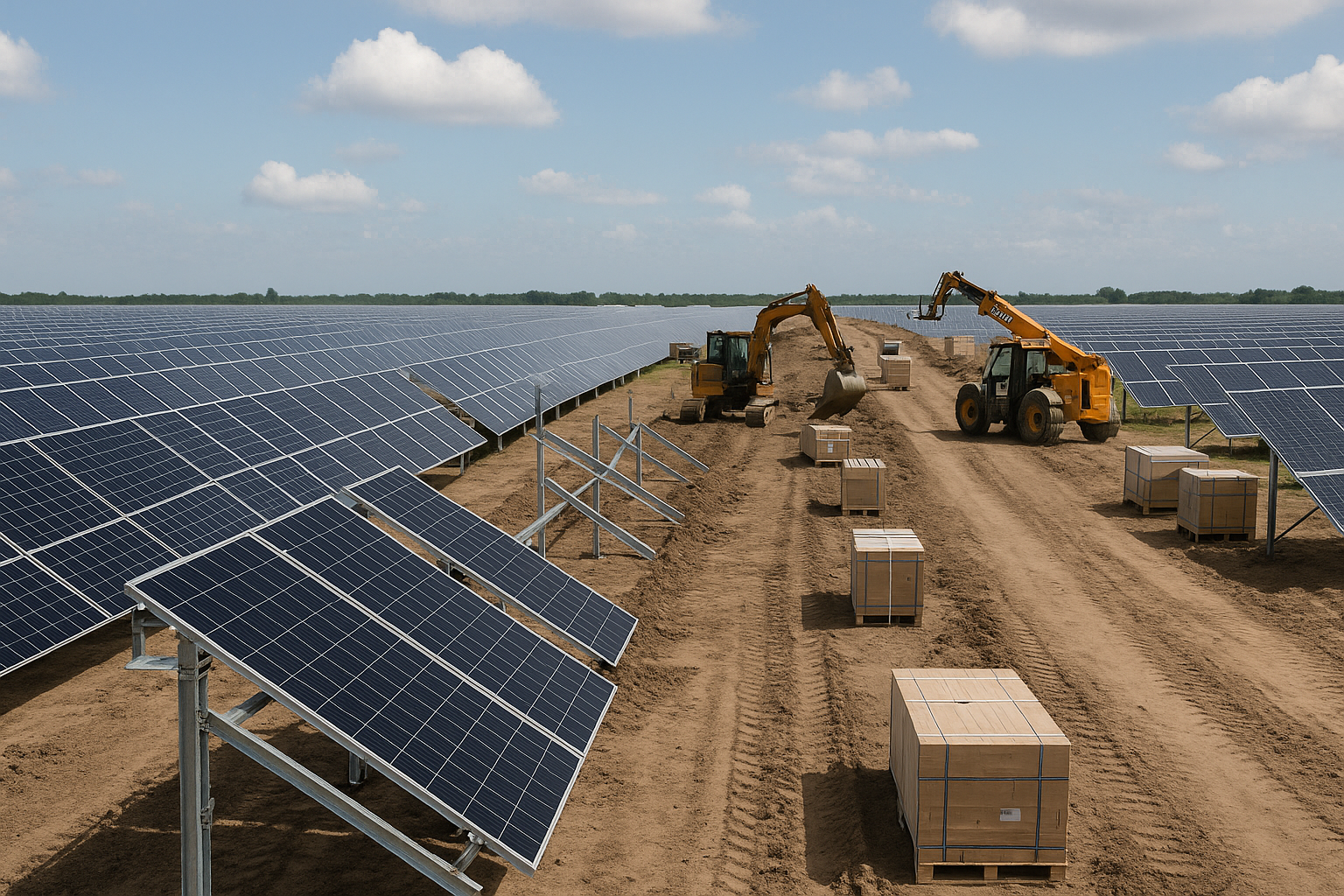
Solar logistics in 2026 involves far more than shipping panels in containers. Equipment may be manufactured in different parts of the world, arrive through European ports, move inland by road or rail, be stored temporarily, and then delivered to site in a carefully planned sequence.
Alongside modules, projects now routinely include large inverters, battery-energy-storage units, trackers and grid-connection equipment. Delivering these items often means specialist vehicles, route surveys, permits, escorted movements, crane planning and liaison with local authorities — especially for rural or hard-to-access sites.
With supply chains continuing to evolve, early planning and clear communication have become essential parts of successful project delivery.
Common Challenges Across the UK, Ireland and Europe
Moving equipment across borders
Transport between the UK, EU and Ireland still involves different customs processes, VAT treatment and transit paperwork such as T1. Getting this right from the start helps avoid delays and unexpected costs.
Oversized and heavy equipment
Inverters, BESS containers, trackers and transformers often fall outside standard transport limits. Moving them safely requires specialist vehicles, permits, police notifications and careful route planning.
Storage and staging near site
Many projects need short-term storage close to site so deliveries can match installation and commissioning programmes.
Timing with site and grid works
Logistics schedules must fit around installation crews, crane availability and grid-connection windows. Close coordination is key to keeping projects moving.
Environmental considerations
More developers are asking how transport impacts can be reduced, whether through route planning, transport mode choices or better sequencing, as part of broader sustainability goals.
What Solar Projects Expect from Logistics in 2026
In today’s fast-moving solar market, project teams expect logistics partners who can keep shipments on track and provide full visibility from factory to site. They look for teams with hands-on experience handling customs and regulatory requirements across multiple countries, and the ability to design transport solutions that work around real-world site constraints. Successful logistics also relies on proactive coordination with ports, customs brokers, installation crews and grid operators, combined with planning that minimises environmental impact. For developers and EPCs, this means smoother deliveries, fewer delays, and more confidence that projects will reach grid connection on time and on budget.
How HelioTrax Supports Solar Projects
HelioTrax works alongside developers, EPCs and suppliers to support solar and energy-storage projects across the UK, Ireland and Europe. We manage the logistics process from factory dispatch and port handling through to inland transport, storage, staging and final site delivery.
Our team handles customs and transit coordination, heavy-load permits, escort arrangements and delivery sequencing, always working closely with project teams to align logistics with site schedules. We focus on clear communication, careful planning and reliable execution.
Solar logistics isn’t just about moving equipment. It’s about helping projects progress smoothly, safely and on time. With the right planning and a hands-on approach, logistics becomes a steady support — not a source of risk — as projects move toward commissioning and grid connection.